I was supposed to fly to Chengdu on 26 July. Typhoon Noul had other plans, and Cathay moved everything a day. So I landed on the 27th, walked into the hotel, and spent the evening doing what I suspect half the speakers were doing: rereading my own slides and wondering whether 105 minutes was enough.
The workshop was "Bridging the Gap: Capacity Building for Formalizing Businesses for Environmental Compliance in the Digital Age" — an APEC Technology Innovation Workshop under the Digital Economy Steering Group, held on 28–29 July 2026 as part of APEC Digital Weeks in Chengdu, with Peru's OEFA as project overseer. Two days, two themes: finding informal activity on day one, helping small businesses comply on day two.
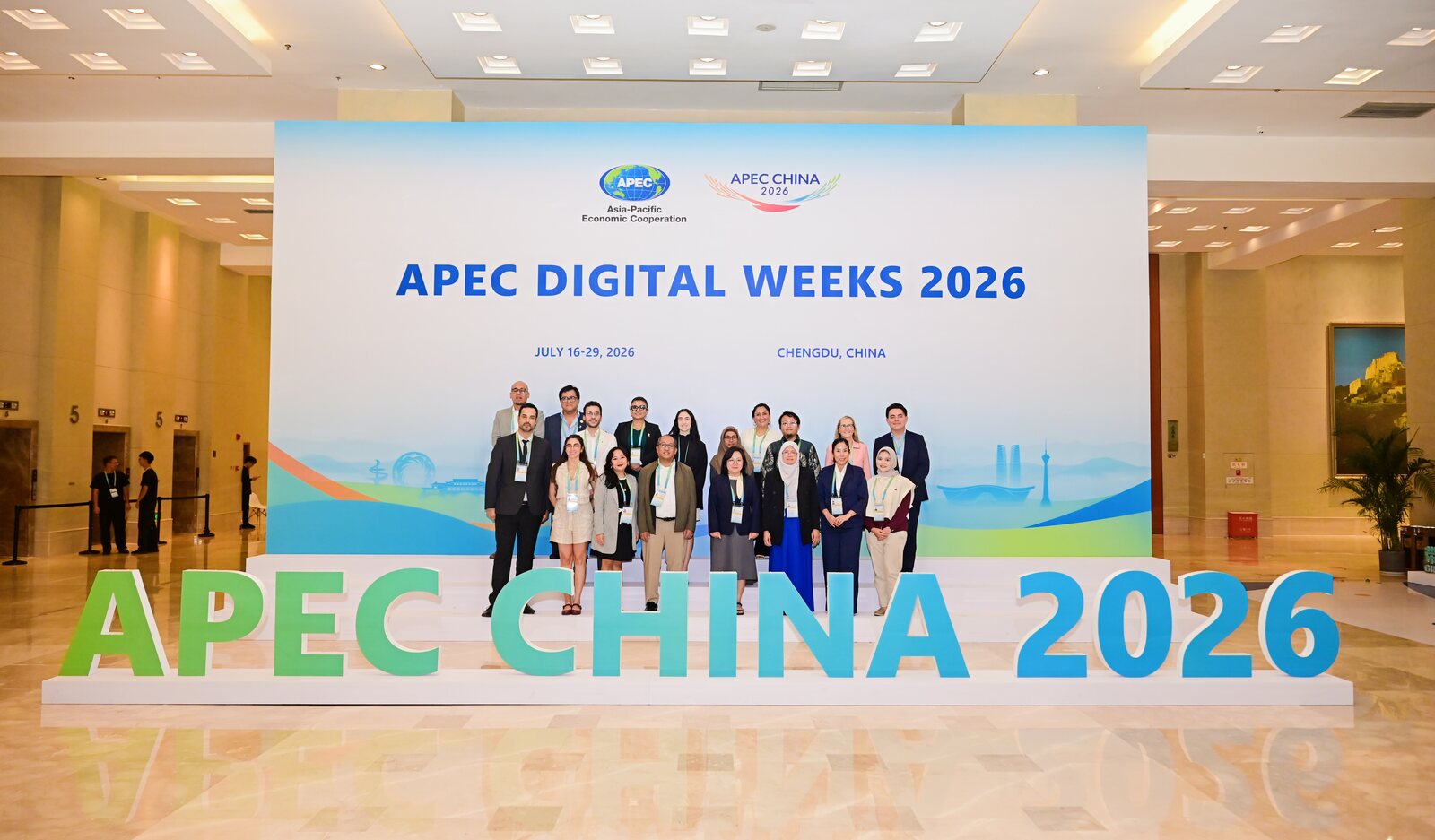
I had four turns on the programme: a presenting slot each day, split into Part I and Part II around the morning break, and a seat on the closing panel each afternoon. That is a lot of microphone time in two days, and it is also why I ended up with more photographs of myself than any reasonable person needs.
Who was actually in the room
This was an invitation event for APEC delegates, so the room was not large — but it was unusually mixed. Environmental regulators and policy people made up the biggest share. Then government technical staff and data people, academics, a few private-sector and vendor representatives. The literacy range was wide: some in the room write enforcement regulations, others write inference pipelines.
That mix decided how I pitched both sessions. Start from the problem and the regulation, go down into architecture only as far as the room can follow, and keep the deep technical layer optional. Nobody needs my opinion about data structures; several people in that room genuinely needed to know what satellite evidence can and cannot prove in an administrative process.
Day 1 — finding what nobody has registered
The first day was built around one question: how do you identify informal and high-environmental-risk productive activity when, by definition, it is not in your register?
Margaret Sexton, NRAR — Australia
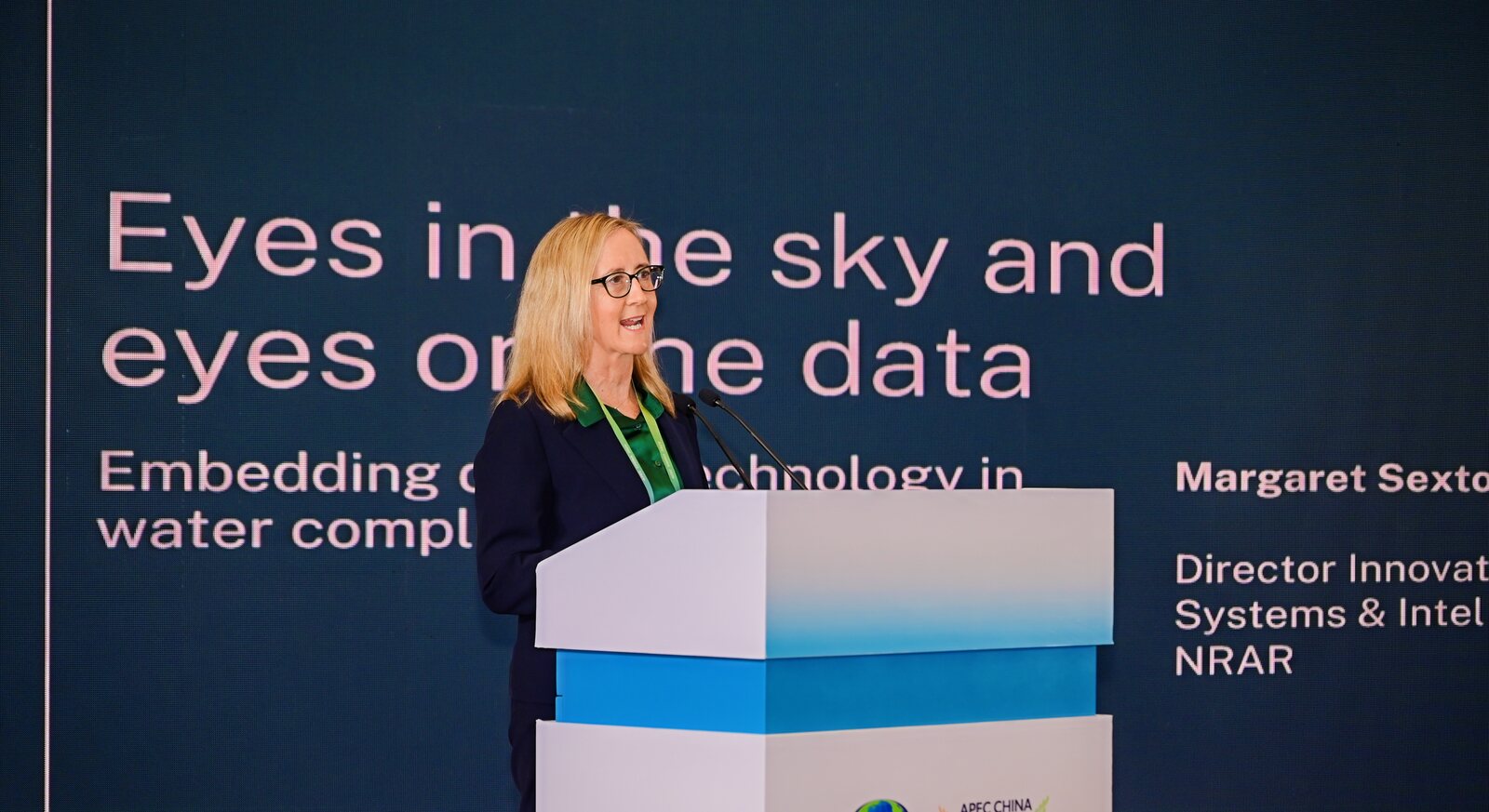
Eyes in the sky and eyes on the data — embedding digital technology in water compliance regulation. A water regulator's account of combining spatial data with intelligence to decide where to look. What struck me was how unglamorous and useful the framing was: the satellite does not catch anyone, it tells a small team of inspectors which of ten thousand possibilities is worth a drive.
My session, Part I and Part II
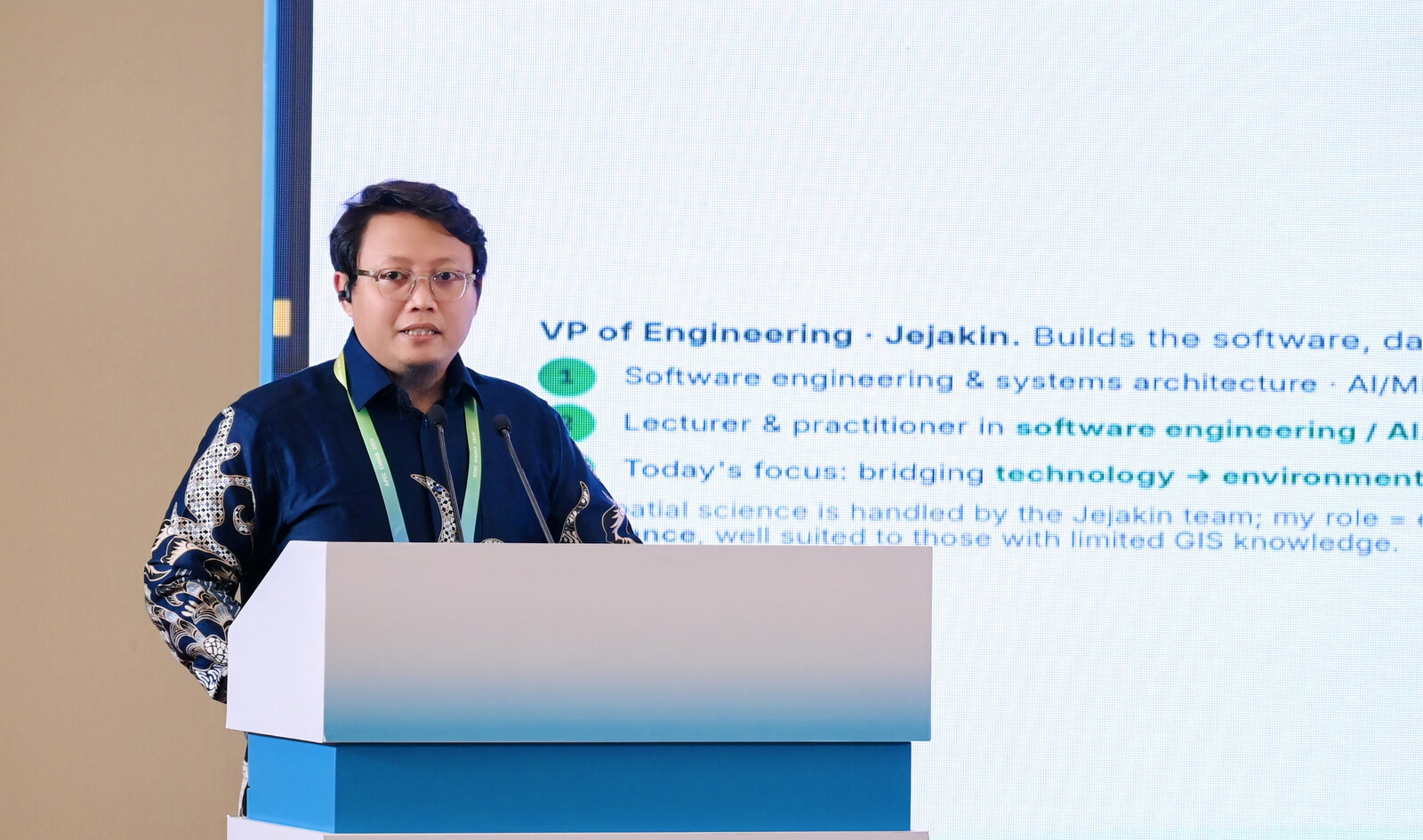
I had 10:30 to 11:30, then 11:45 to 12:30 after the break. The title I had been given was Identification of Informal and Unregistered Businesses through Remote Sensing, Big Data and AI, and the assigned title is effectively the grading rubric, so I stayed inside it.
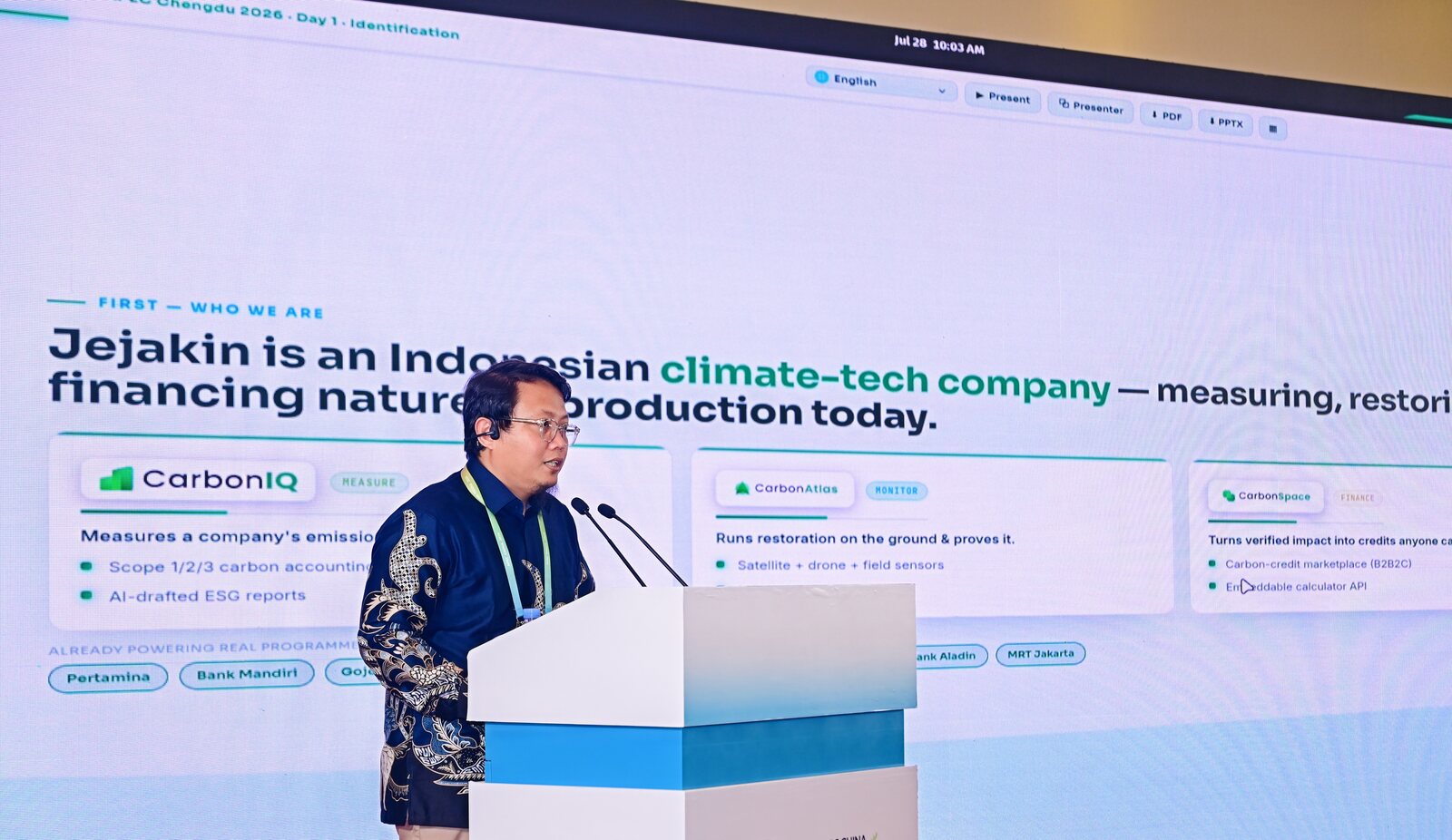
Part I was the ground: what we actually do at Jejakin, what a satellite can see and at what resolution, why land-cover classification is a probability and not a verdict, and how a detection becomes a candidate rather than an accusation. Part II was the part I cared about more.
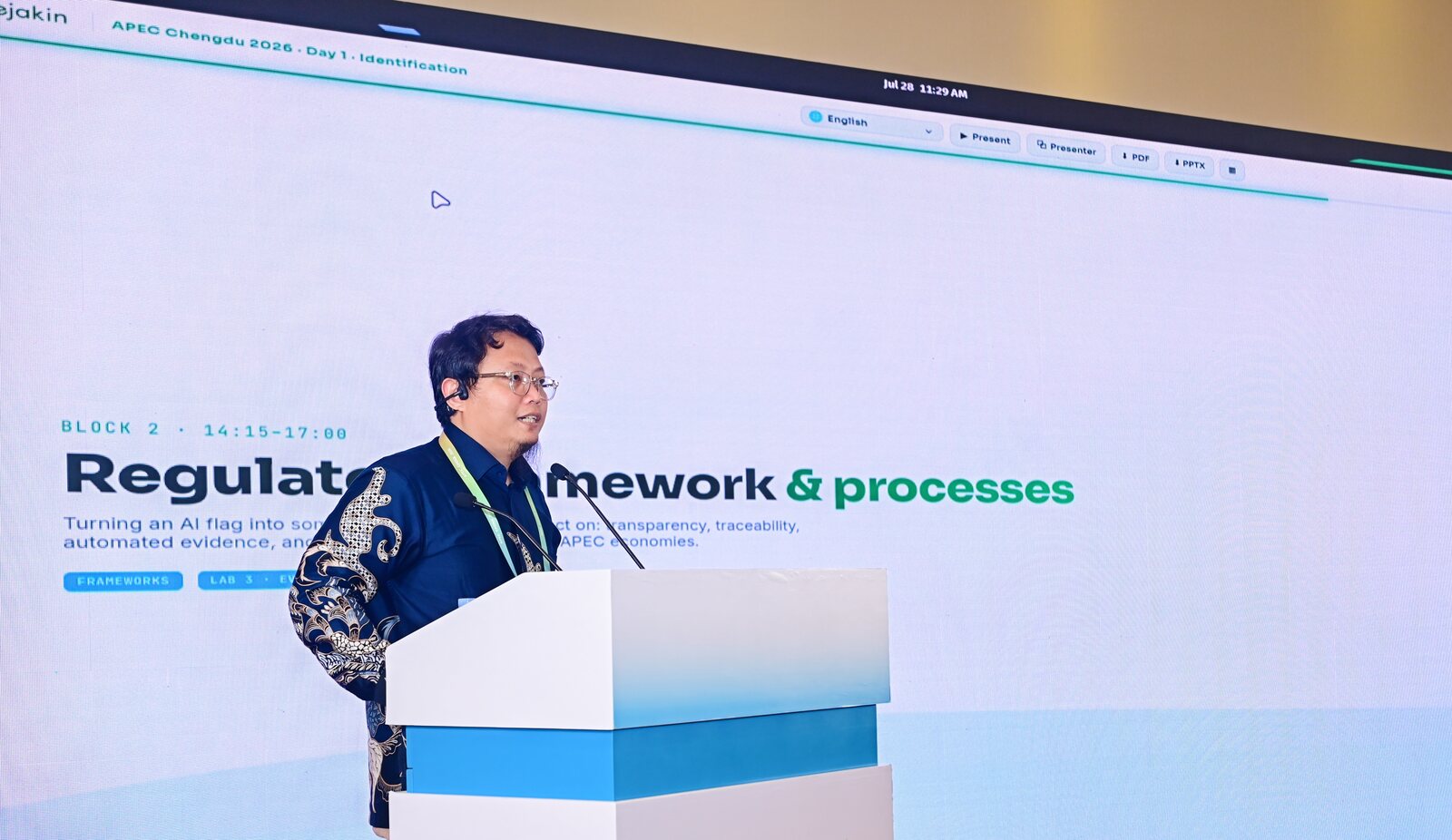
Because the interesting problem is not detection. It is what happens after the model raises its hand. A flag is not evidence. To move from a flag to something that survives an objection, you need the chain: what was observed, when, by which sensor, processed how, reviewed by whom, and what the business was given a chance to say. I put that on one slide — from a flag to a defensible procedure — and it turned out to be the line people came back to on both days.
Carlos Ernesto Ortiz Rojas, OEFA — Peru
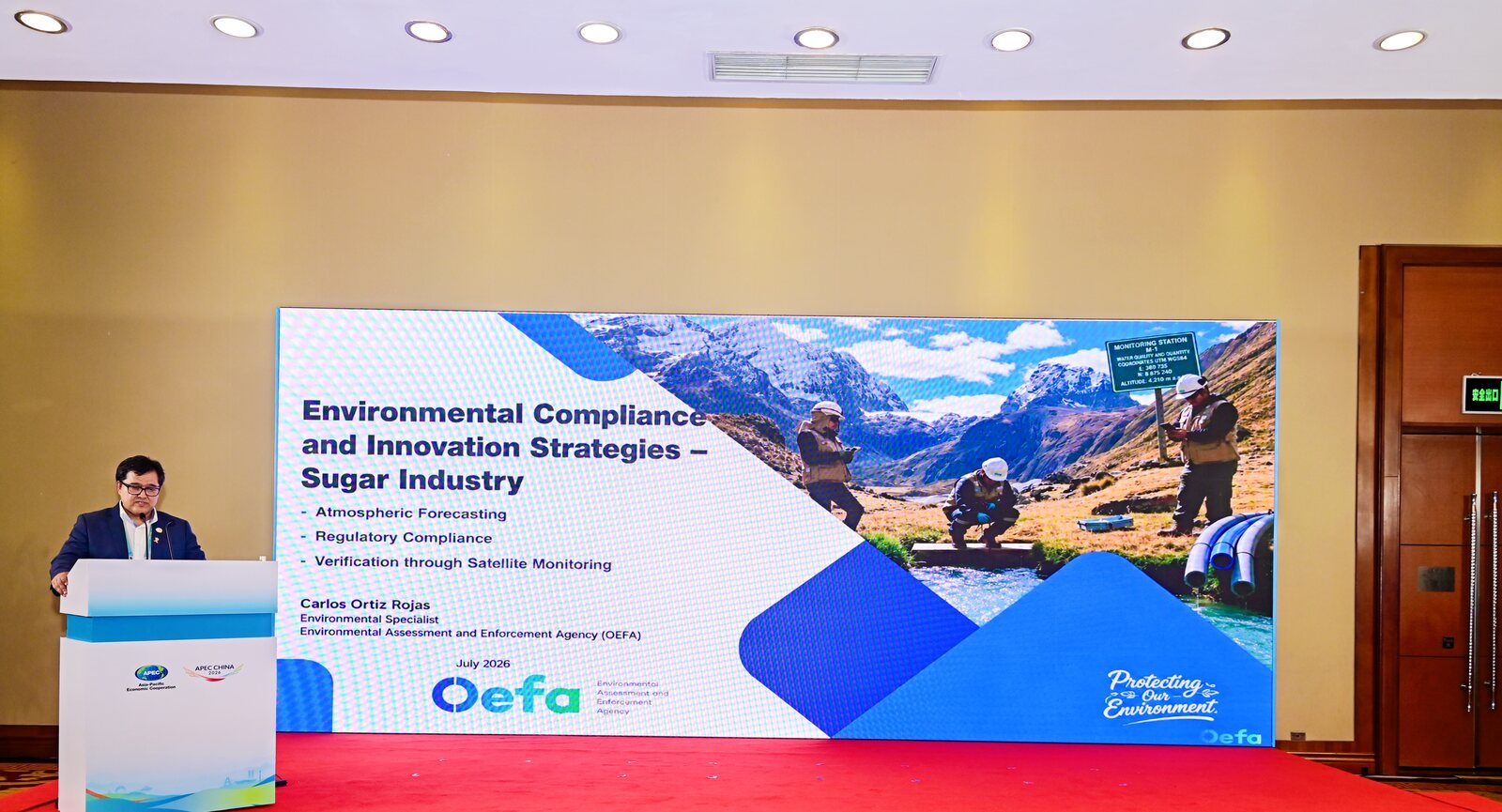
Environmental Compliance and Innovation Strategies in the Sugar Industry. Atmospheric forecasting, regulatory compliance, and verification through satellite monitoring, applied to sugarcane — roughly 150,000 hectares of it nationally. A regulator with a specific sector, a specific pollutant story, and satellites used as a supervision tool rather than a demo.
Intan Perwitasari, BRIN — Indonesia
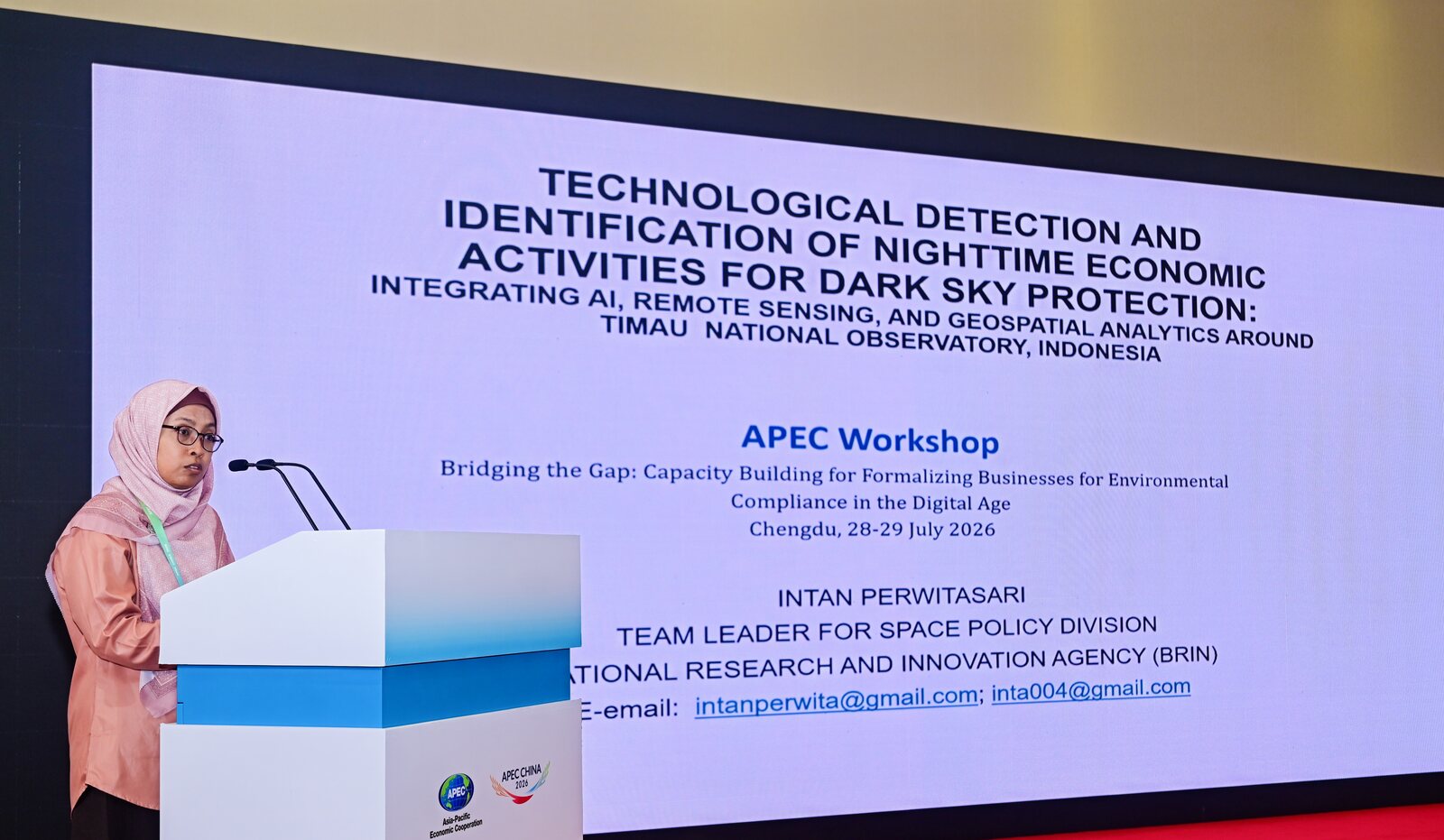
Detecting and identifying nighttime economic activity for dark sky protection around the Timau National Observatory, using AI, remote sensing and geospatial analytics. I did not expect light pollution to be the day's most quietly clever talk. It is the same detection problem as everyone else's, with a constraint most of us never think about: the thing being protected is the darkness itself.
The panel
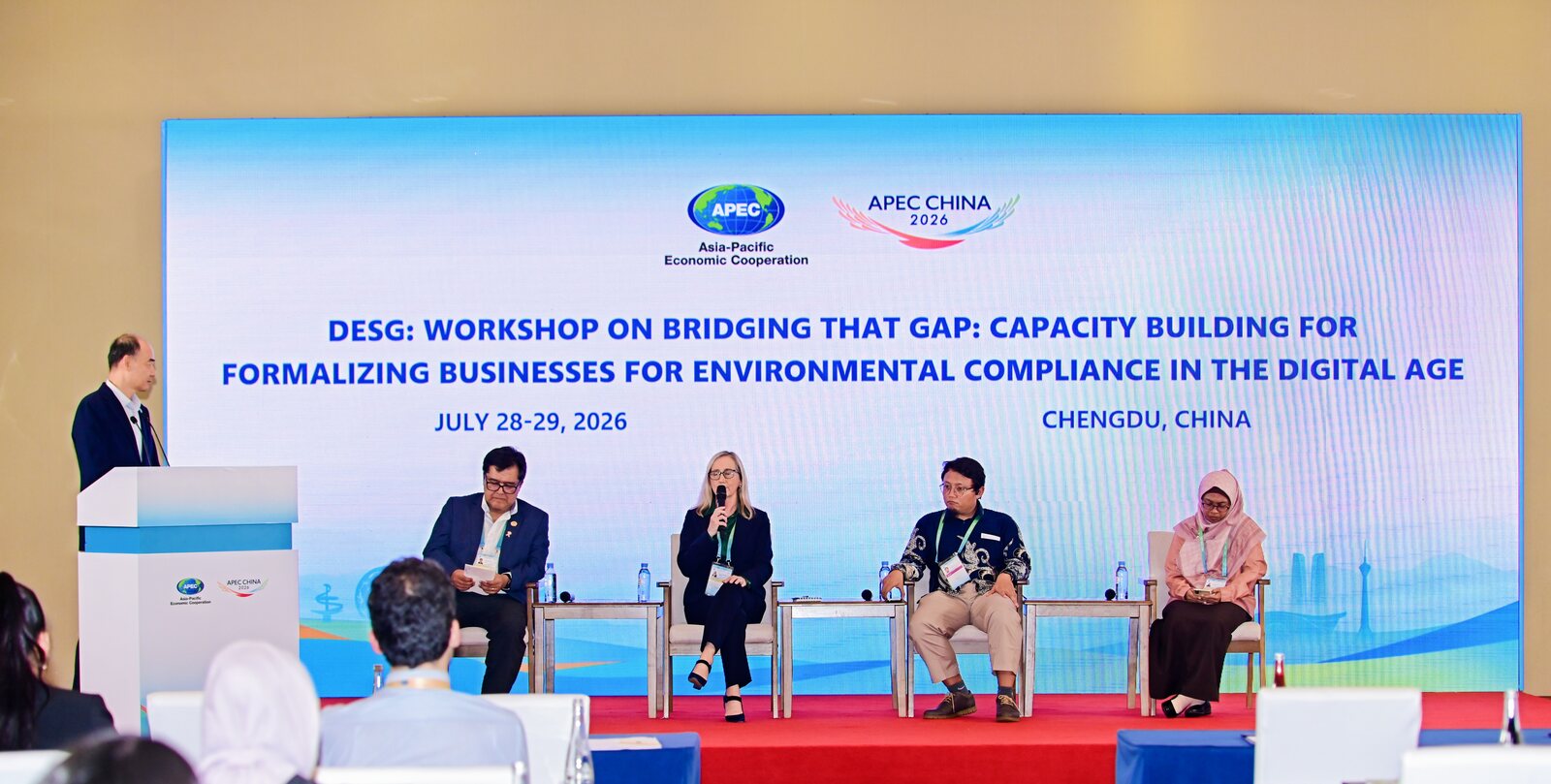
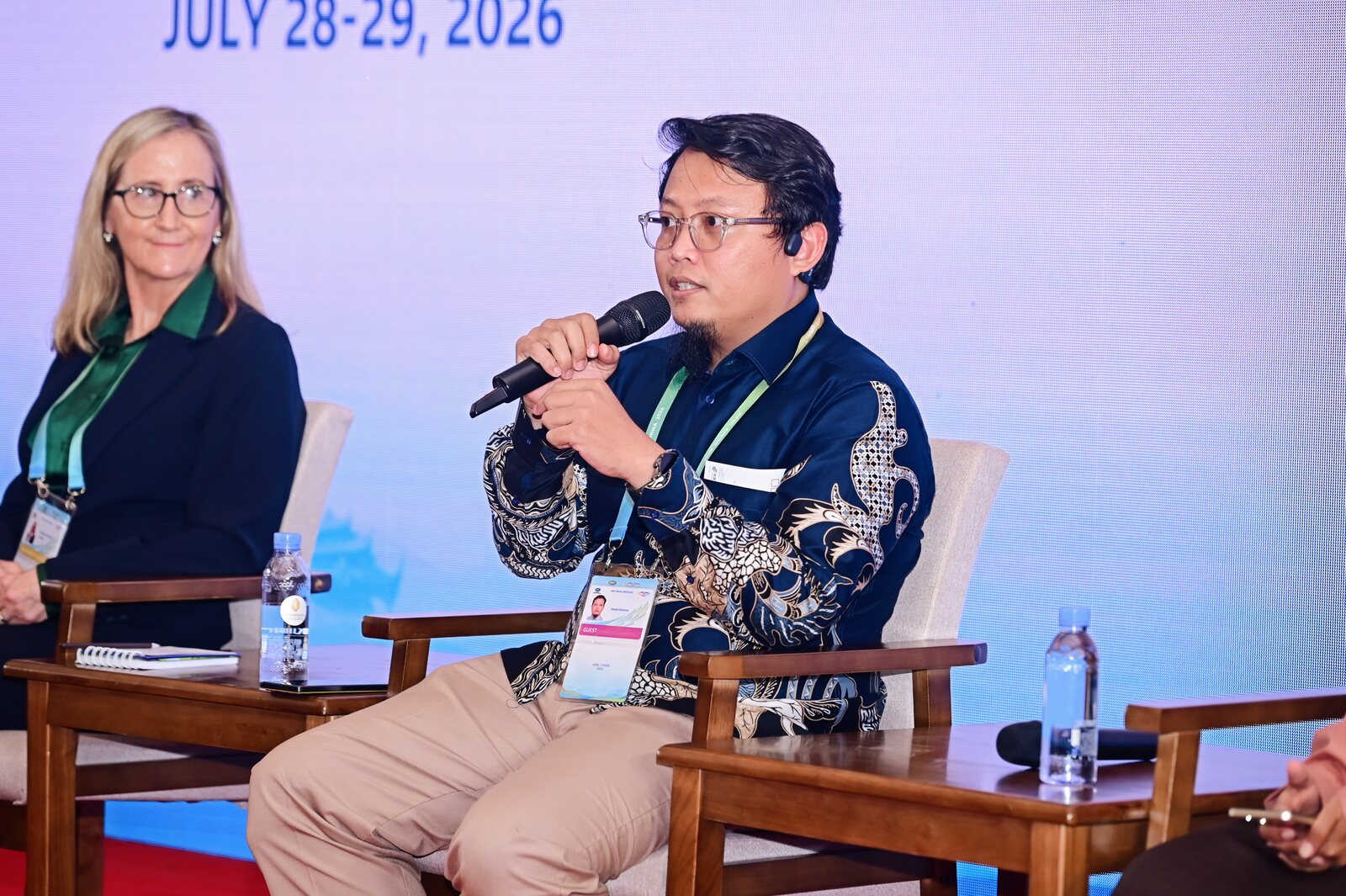
Ma Jun moderated. The question that pulled everyone in was about proof — how far a regulator can act on remotely sensed evidence before someone's lawyer arrives. Four economies, four legal contexts, and a surprising amount of agreement: the technology is ahead of the procedure almost everywhere.
Day 2 — the other half of the gap
Day one was about seeing. Day two was about what you do to the business you just found, especially when it is small, informal, and has nobody whose job is compliance.
Pablo Javier Aguirre Hörmann, INZAI — Chile
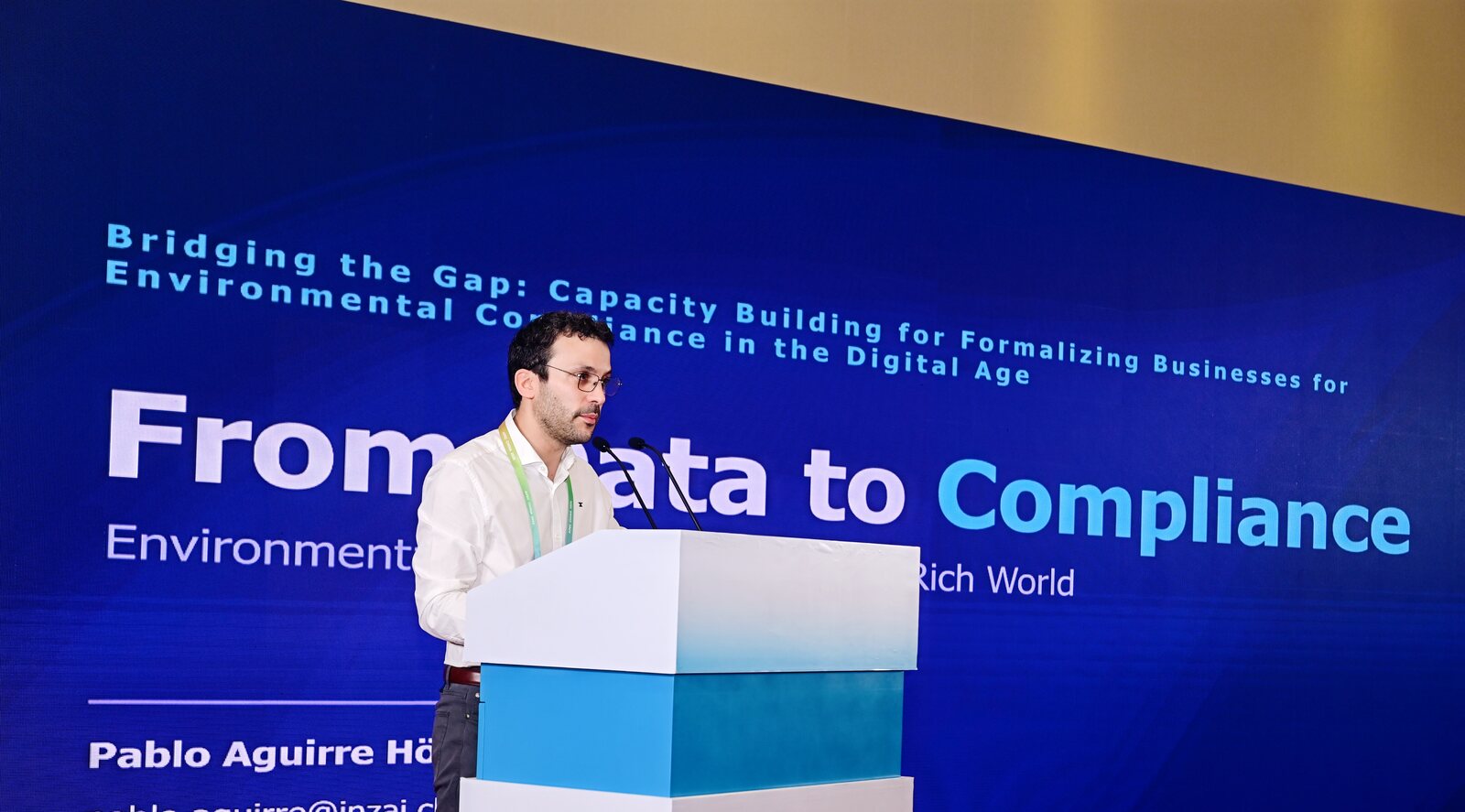
From Data to Deterrence: Environmental Enforcement in a Data-Rich World. The phrase "data-rich world" was well chosen, because the shortage in enforcement is not data any more. It is the capacity to turn data into a decision that holds. His talk set up mine better than I could have.
My session, Part I and Part II
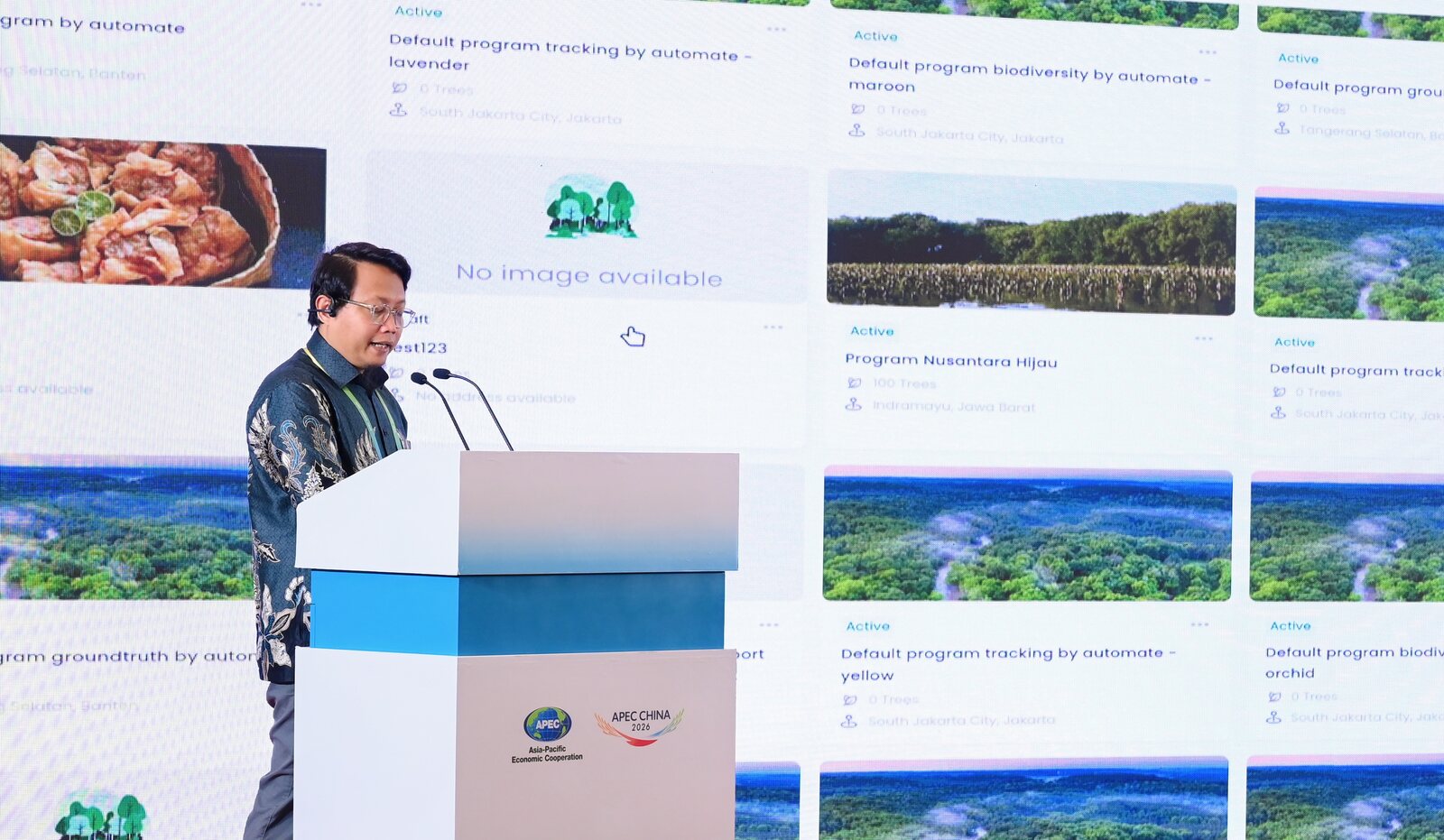
Same slot, 10:30 to 12:30 with the break in the middle. Assigned title: Empowering MSMEs for Environmental Compliance through Mobile Tools and Local AI. Three nouns — MSMEs, mobile tools, local AI — and anything outside them had to justify itself.
So I built the whole session around one small business: a nine-person coffee wet mill. Her obligations are real, her paperwork capacity is zero, and her waste is organic and effluent rather than hazardous. The thesis I put on the second slide and defended for two hours: a business with no compliance capacity can produce regulator-grade evidence from a phone, with AI that never leaves the economy.
That last clause matters more in this room than it would anywhere else. Several delegates asked about data sovereignty before they asked about accuracy, which tells you what keeps regulators awake.
I also cut the blockchain material from six slides down to one, and stated it as a rule rather than a pitch: one organisation keeping its own records needs a hash and a timestamp; several organisations that do not trust each other, sharing one record, need a ledger. Traceability came up anyway — coffee is one of the seven commodities the EU deforestation regulation covers, and the smallholder deadlines are close enough that people in the room are already being asked about them.
Pablo Agurto, OEFA — Peru
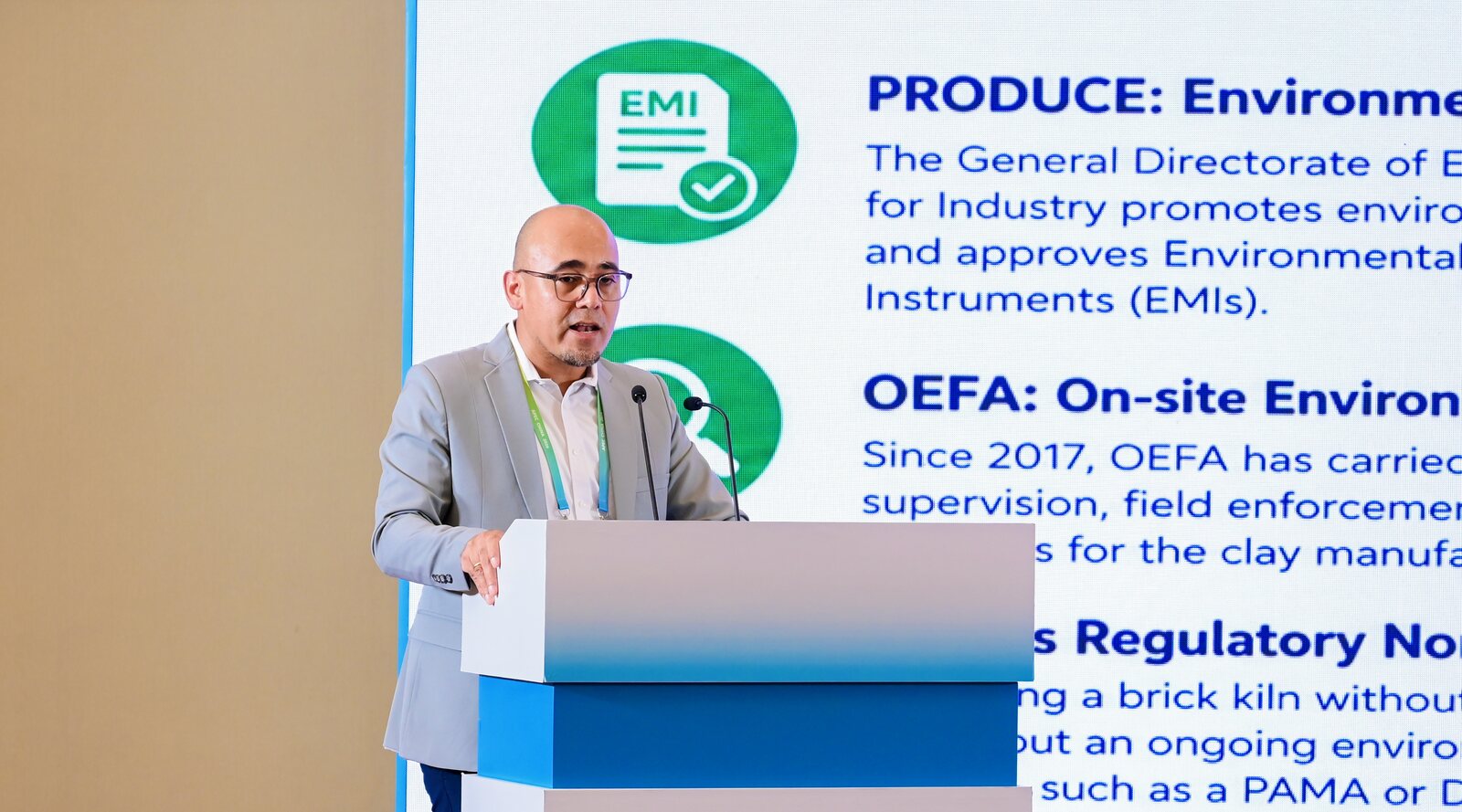
Innovation Strategy for Environmental Compliance: The Huachipa Brick Manufacturing Case. Brick kilns, environmental management instruments, on-site supervision since 2017, and the honest problem underneath: what do you do with an operator who has never had a permit and cannot afford the process of getting one? Different commodity, same gap I had spent the morning on.
Pantita Buachan, Department of Industrial Works — Thailand
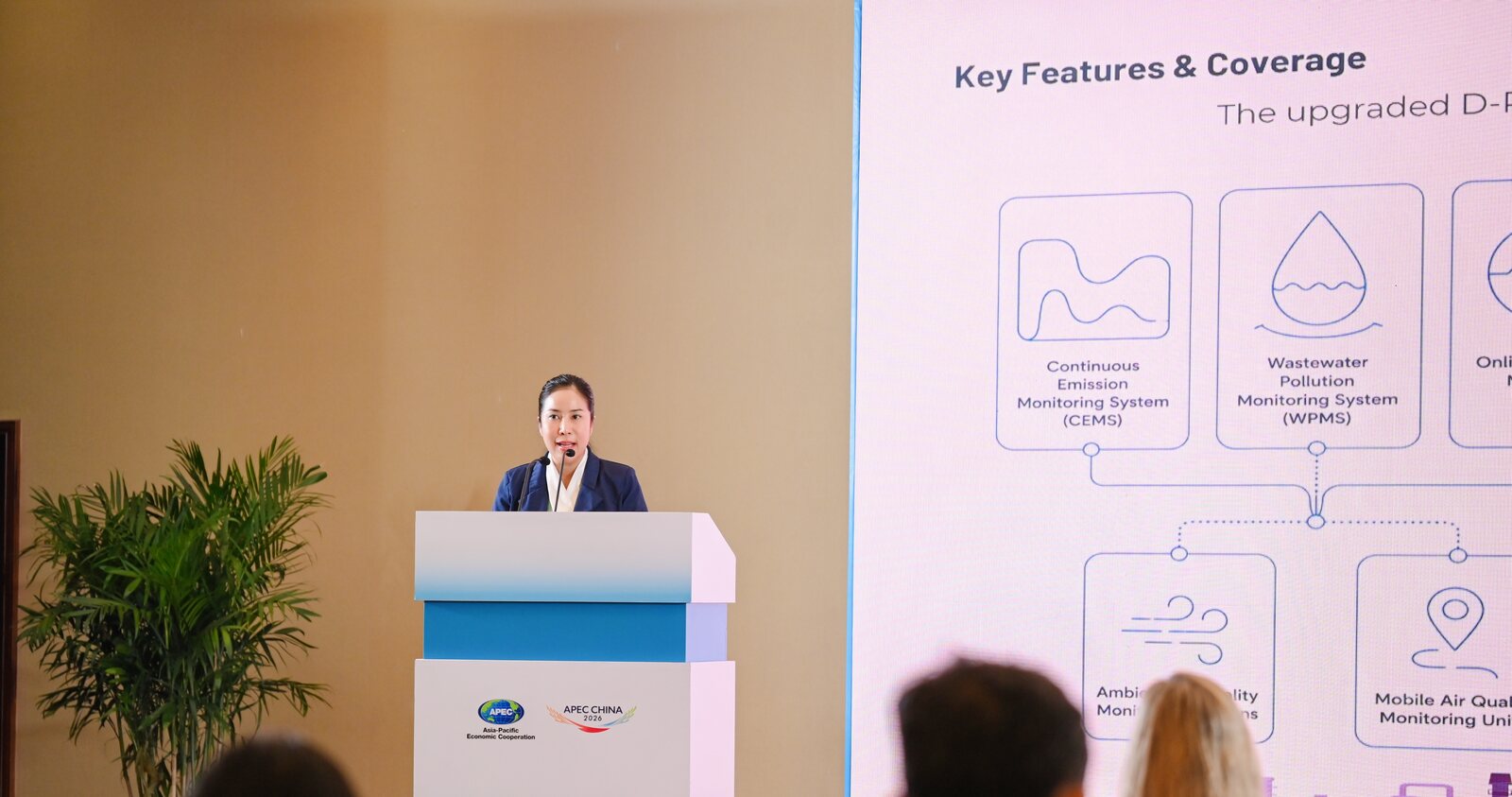
The Digital Pollution Online Monitoring System — continuous emission monitoring, wastewater monitoring, and mobile air quality, pulled into one platform with real-time reporting into the regulator. Of everything presented over two days, this was the most operationally mature: not a pilot, a system with coverage.
The panel, and the closing
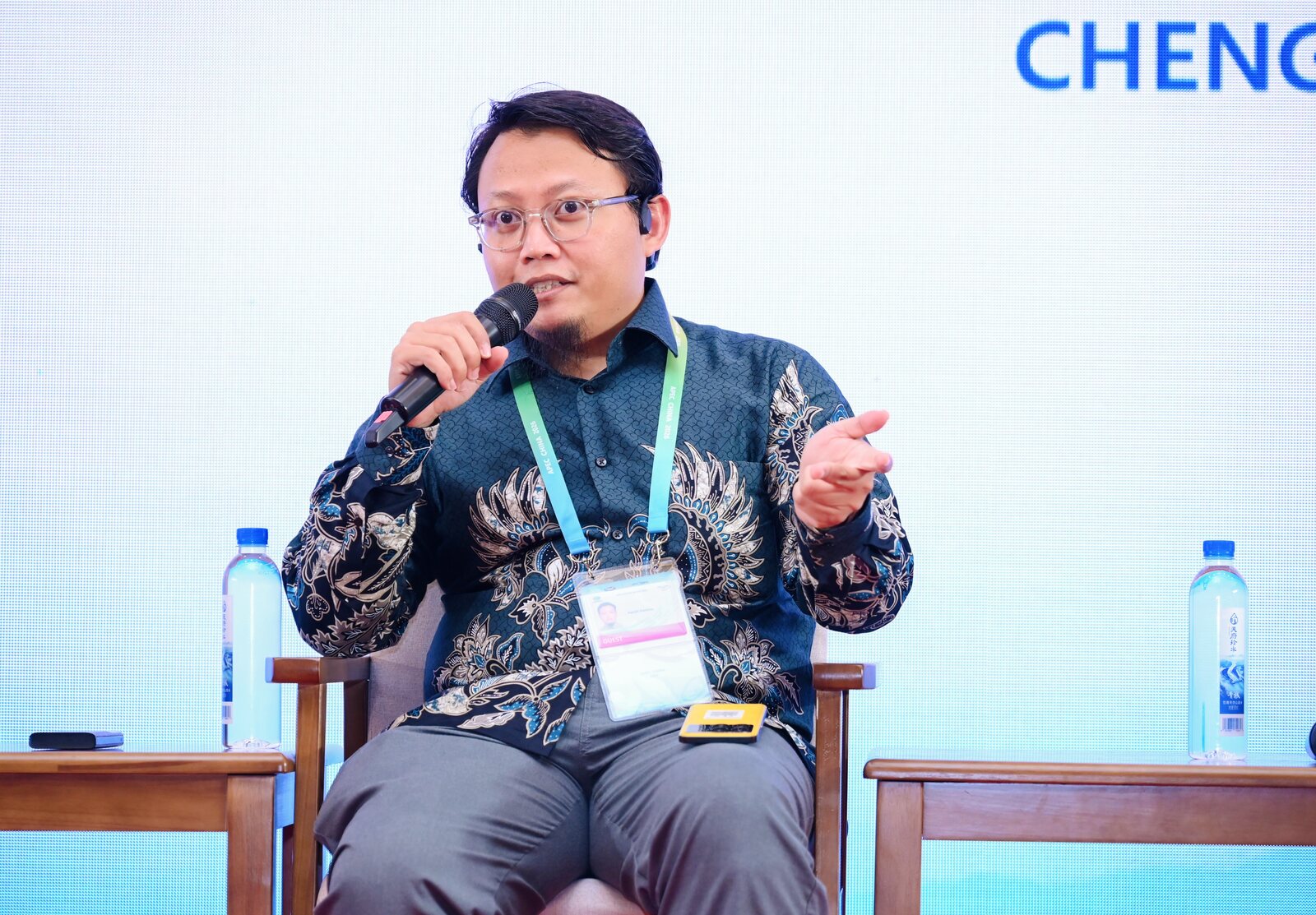
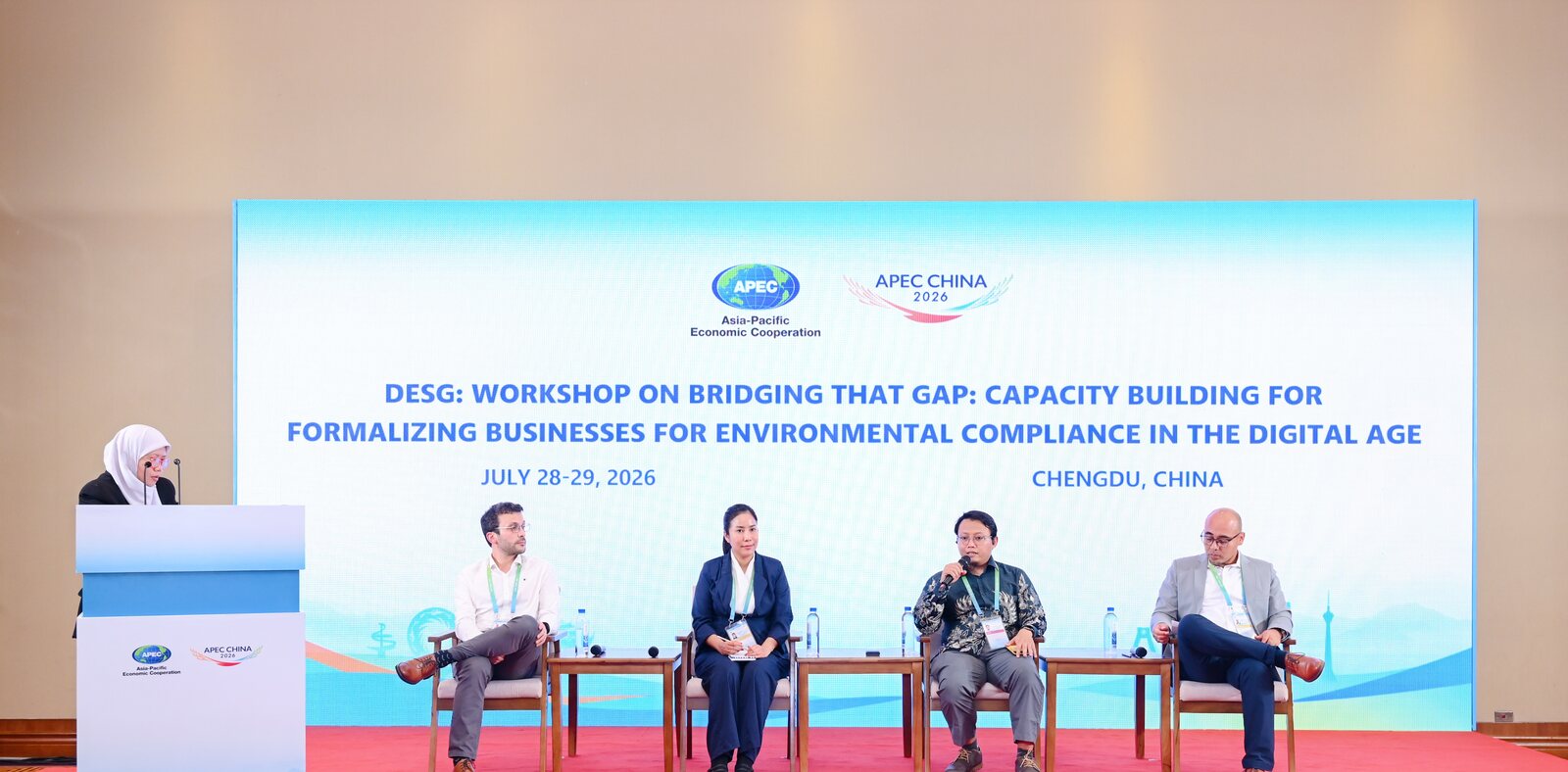
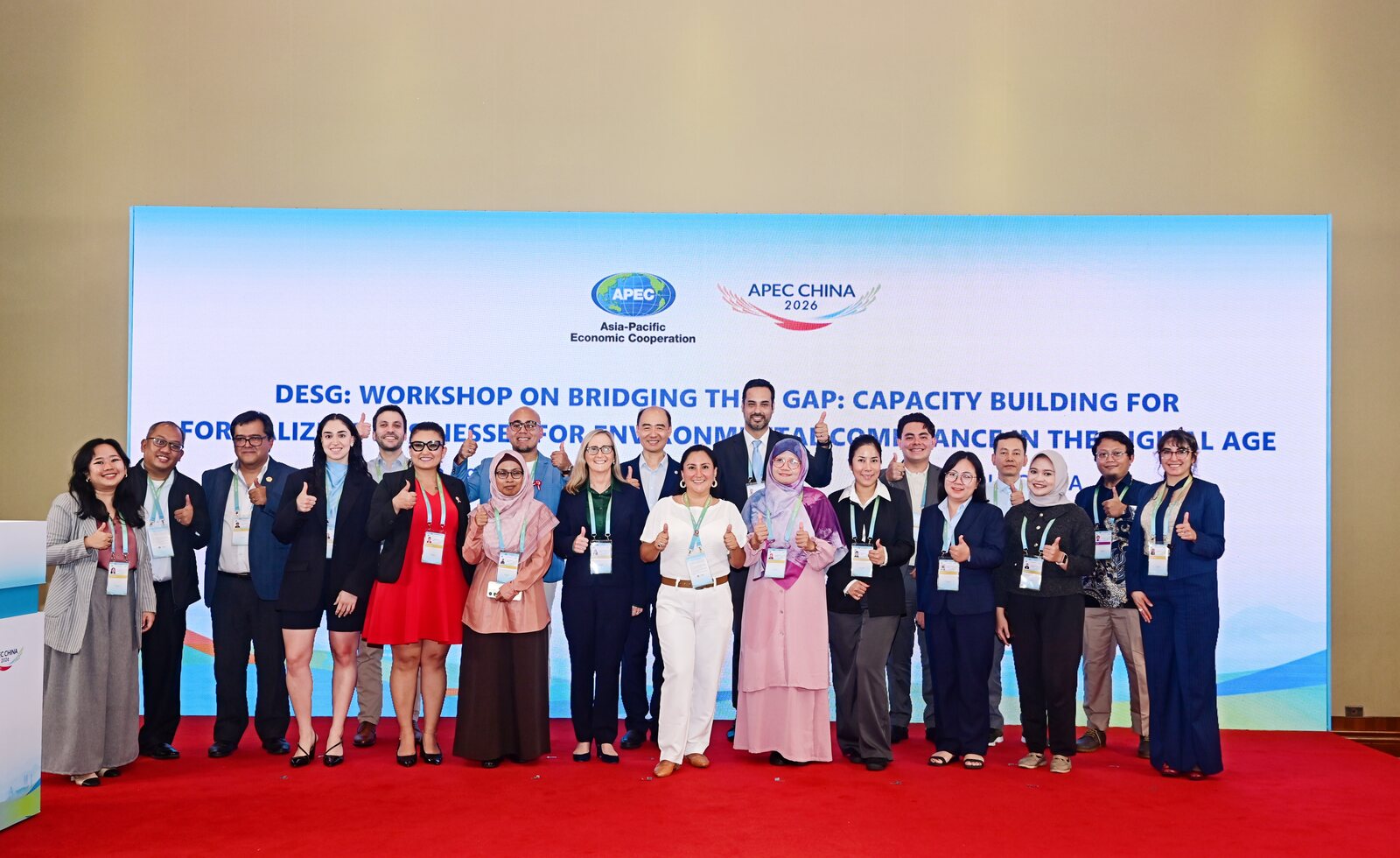
Ayurisya Dominata moderated the second panel, and the workshop closed with key findings, public policy recommendations, and next steps for APEC cooperation. I had three recommendations I wanted on the record, and the one I pushed hardest was the least technical: that traceability infrastructure should be treated as shared public plumbing within an economy rather than as seven separate industry projects, because the mechanism is identical across commodities — locate the plot, show no clearing after the cut-off date, prove legality, carry the record through each change of hands. Build it once and it transfers.
What I took away
Three things, and none of them is about a model.
Everyone is stuck at the same step. Five economies presented, and the detection half was in good shape in every one of them. The procedure half — turning a detection into an action that survives challenge — was where all of us were improvising. That is not a technology problem, and no amount of accuracy fixes it.
The capacity asymmetry is the real gap. The regulator has satellites and analysts. The business being regulated has a phone and no compliance officer. Every tool we build sits on one side of that asymmetry or the other, and the ones on the regulator's side are much easier to fund.
"Data-rich" has quietly become the problem statement. Nobody in that room was short of data. They were short of a defensible path from data to a decision, written down, that a mid-level officer can follow on a Tuesday without calling a data scientist.
The slides I used are both here, exactly as delivered:
Day 1
Identification of Informal and Unregistered Businesses through Remote Sensing, Big Data and AI
Open the deck
Day 2
Empowering MSMEs for Environmental Compliance through Mobile Tools and Local AI
Open the deck
Thanks to the APEC Secretariat and to OEFA for the invitation, to the organising team in Chengdu who kept two days of translation, timing and technology running without visible panic, and to the other speakers — I learned more in their sessions than in my own.
Harusnya saya terbang ke Chengdu tanggal 26 Juli. Topan Noul berkata lain, dan Cathay menggeser semuanya satu hari. Jadi saya mendarat tanggal 27, masuk hotel, dan menghabiskan malam dengan melakukan hal yang saya curiga juga dilakukan separuh pembicara lain: membaca ulang slide sendiri sambil bertanya-tanya apakah 105 menit itu cukup.
Acaranya "Bridging the Gap: Capacity Building for Formalizing Businesses for Environmental Compliance in the Digital Age" — APEC Technology Innovation Workshop di bawah Digital Economy Steering Group, 28–29 Juli 2026, bagian dari APEC Digital Weeks di Chengdu, dengan OEFA Peru sebagai project overseer. Dua hari, dua tema: menemukan aktivitas informal di hari pertama, membantu usaha kecil patuh di hari kedua.
Saya kebagian empat giliran: satu sesi presentasi tiap hari, dibelah jadi Part I dan Part II mengapit rehat pagi, plus kursi di panel penutup tiap sore. Itu jatah mikrofon yang banyak untuk dua hari — dan itu juga sebabnya saya pulang dengan foto diri sendiri lebih banyak daripada yang wajar.
Siapa saja yang ada di ruangan
Ini acara undangan untuk delegasi APEC, jadi ruangannya tidak besar — tapi isinya campur aduk dengan cara yang menarik. Porsi terbesar regulator lingkungan dan orang kebijakan. Lalu staf teknis pemerintah dan orang data, akademisi, beberapa perwakilan sektor swasta dan vendor. Rentang literasi teknisnya lebar: sebagian yang duduk di situ menulis peraturan penegakan, sebagian lagi menulis inference pipeline.
Campuran itu yang menentukan kedalaman kedua sesi saya. Mulai dari masalah dan regulasinya, turun ke arsitektur sejauh ruangan masih ikut, dan biarkan lapisan teknis terdalam jadi opsional. Tidak ada yang butuh pendapat saya soal struktur data; tapi beberapa orang di ruangan itu benar-benar perlu tahu apa yang bisa dan tidak bisa dibuktikan oleh citra satelit di dalam proses administratif.
Hari 1 — menemukan yang tidak pernah terdaftar
Hari pertama berputar pada satu pertanyaan: bagaimana mengidentifikasi aktivitas produktif yang informal dan berisiko lingkungan tinggi, kalau menurut definisinya ia memang tidak ada di daftar Anda?
Margaret Sexton, NRAR — Australia
Eyes in the sky and eyes on the data — embedding digital technology in water compliance regulation. Cerita seorang regulator air tentang memadukan spatial data dengan intelligence untuk memutuskan ke mana harus melihat. Yang menohok justru framing-nya yang sama sekali tidak glamor: satelitnya tidak menangkap siapa-siapa, ia cuma memberi tahu tim inspektur yang kecil, dari sepuluh ribu kemungkinan, mana yang layak didatangi.
Sesi saya, Part I dan Part II
Jatah saya 10:30–11:30, lalu 11:45–12:30 setelah rehat. Judul yang diberikan panitia: Identification of Informal and Unregistered Businesses through Remote Sensing, Big Data and AI — dan judul yang ditugaskan itu praktis jadi rubrik penilaian, jadi saya bertahan di dalamnya.
Part I isinya fondasi: apa yang sebenarnya kami kerjakan di Jejakin, apa yang bisa dilihat satelit dan pada resolusi berapa, kenapa land-cover classification itu probabilitas dan bukan vonis, dan bagaimana sebuah deteksi menjadi kandidat, bukan tuduhan. Part II bagian yang lebih saya pedulikan.
Sebab masalah menariknya bukan deteksi. Masalahnya apa yang terjadi setelah model mengangkat tangan. Sebuah flag bukan bukti. Untuk berpindah dari flag ke sesuatu yang tahan dibantah, Anda butuh rantainya: apa yang teramati, kapan, oleh sensor mana, diproses bagaimana, ditinjau siapa, dan kesempatan apa yang diberikan kepada pelaku usaha untuk menjawab. Saya taruh itu dalam satu slide — from a flag to a defensible procedure — dan ternyata kalimat itu yang paling sering dibawa kembali orang selama dua hari.
Carlos Ernesto Ortiz Rojas, OEFA — Peru
Environmental Compliance and Innovation Strategies in the Sugar Industry. Atmospheric forecasting, kepatuhan regulasi, dan verifikasi lewat satellite monitoring, diterapkan pada tebu — sekitar 150.000 hektare secara nasional. Seorang regulator dengan sektor yang spesifik, cerita polutan yang spesifik, dan satelit dipakai sebagai alat pengawasan, bukan sebagai demo.
Intan Perwitasari, BRIN — Indonesia
Mendeteksi dan mengidentifikasi aktivitas ekonomi malam hari untuk dark sky protection di sekitar Observatorium Nasional Timau, memakai AI, remote sensing, dan geospatial analytics. Saya tidak menduga polusi cahaya akan jadi materi paling diam-diam cerdas hari itu. Masalah deteksinya sama dengan semua orang, dengan satu batasan yang jarang kita pikirkan: yang dilindungi justru kegelapannya.
Panelnya
Ma Jun yang memoderasi. Pertanyaan yang menyeret semua orang masuk adalah soal pembuktian — sejauh mana regulator boleh bertindak atas bukti penginderaan jauh sebelum pengacara pihak sana datang. Empat ekonomi, empat konteks hukum, dan kesepakatan yang mengejutkan banyaknya: hampir di mana pun, teknologinya lebih maju daripada prosedurnya.
Hari 2 — separuh jurang yang satunya
Hari pertama soal melihat. Hari kedua soal apa yang Anda lakukan terhadap usaha yang baru saja Anda temukan — apalagi kalau ia kecil, informal, dan tidak punya siapa pun yang tugasnya mengurus kepatuhan.
Pablo Javier Aguirre Hörmann, INZAI — Chile
From Data to Deterrence: Environmental Enforcement in a Data-Rich World. Frasa "data-rich world" itu dipilih dengan tepat, karena yang langka dalam penegakan sekarang bukan lagi data. Yang langka adalah kapasitas mengubah data menjadi keputusan yang tahan uji. Materinya jadi pembuka yang lebih baik untuk materi saya daripada yang bisa saya susun sendiri.
Sesi saya, Part I dan Part II
Slot yang sama, 10:30–12:30 dengan rehat di tengah. Judul yang ditugaskan: Empowering MSMEs for Environmental Compliance through Mobile Tools and Local AI. Tiga kata kunci — MSMEs, mobile tools, local AI — dan apa pun di luar itu harus bisa membela diri.
Jadi seluruh sesi saya bangun di atas satu usaha kecil: unit pengolahan kopi basah dengan sembilan orang. Kewajibannya nyata, kapasitas administrasinya nol, dan limbahnya organik serta air limbah, bukan limbah B3. Tesis yang saya taruh di slide kedua lalu saya pertahankan selama dua jam: usaha tanpa kapasitas kepatuhan pun bisa menghasilkan bukti setingkat regulator dari sebuah ponsel, dengan AI yang tidak pernah keluar dari ekonominya sendiri.
Anak kalimat terakhir itu lebih berarti di ruangan ini dibanding di mana pun. Beberapa delegasi menanyakan data sovereignty duluan, baru akurasi — dan itu memberi tahu Anda apa yang sebenarnya membuat regulator susah tidur.
Saya juga memangkas materi blockchain dari enam slide jadi satu, dan menyatakannya sebagai aturan, bukan jualan: satu organisasi yang menyimpan catatannya sendiri cukup butuh hash dan timestamp; beberapa organisasi yang tidak saling percaya, berbagi satu catatan, barulah butuh ledger. Traceability tetap muncul juga — kopi termasuk tujuh komoditas yang dicakup regulasi deforestasi Uni Eropa, dan tenggat untuk petani kecil sudah cukup dekat sehingga orang-orang di ruangan itu mulai ditanyai soal ini.
Pablo Agurto, OEFA — Peru
Innovation Strategy for Environmental Compliance: The Huachipa Brick Manufacturing Case. Tungku batu bata, instrumen pengelolaan lingkungan, pengawasan lapangan sejak 2017, dan persoalan jujur di bawahnya: apa yang Anda lakukan terhadap pelaku usaha yang tidak pernah punya izin dan tidak sanggup membiayai proses mengurusnya? Komoditas berbeda, jurang yang sama dengan yang saya bahas sepanjang pagi.
Pantita Buachan, Department of Industrial Works — Thailand
Digital Pollution Online Monitoring System — continuous emission monitoring, pemantauan air limbah, dan kualitas udara bergerak, ditarik ke satu platform dengan pelaporan real-time ke regulator. Dari semua yang dipaparkan selama dua hari, ini yang paling matang secara operasional: bukan pilot, tapi sistem yang sudah punya cakupan.
Panel, dan penutupan
Ayurisya Dominata memoderasi panel kedua, dan workshop ditutup dengan key findings, rekomendasi kebijakan publik, dan langkah lanjutan untuk kerja sama APEC. Saya membawa tiga rekomendasi yang ingin saya catatkan, dan yang paling keras saya dorong justru yang paling tidak teknis: infrastruktur traceability sebaiknya diperlakukan sebagai saluran publik bersama di dalam sebuah ekonomi, bukan sebagai tujuh proyek industri yang terpisah — karena mekanismenya identik untuk semua komoditas: tentukan lokasi lahannya, tunjukkan tidak ada pembukaan setelah tanggal batas, buktikan legalitasnya, bawa catatan itu melewati tiap perpindahan tangan. Bangun sekali, lalu ia berpindah pakai.
Yang saya bawa pulang
Tiga hal, dan tidak satu pun tentang model.
Semua orang tersangkut di langkah yang sama. Lima ekonomi memaparkan materi, dan separuh yang soal deteksi kondisinya bagus di semuanya. Separuh yang soal prosedur — mengubah deteksi menjadi tindakan yang tahan dibantah — di situlah kami semua masih berimprovisasi. Itu bukan masalah teknologi, dan tidak ada akurasi setinggi apa pun yang bisa menambalnya.
Asimetri kapasitas itulah jurang yang sebenarnya. Regulator punya satelit dan analis. Usaha yang diatur punya sebuah ponsel dan tidak punya petugas kepatuhan. Setiap perkakas yang kita bangun berdiri di salah satu sisi asimetri itu — dan yang berdiri di sisi regulator jauh lebih mudah dicarikan dananya.
"Kaya data" diam-diam sudah berubah jadi rumusan masalahnya. Tidak ada yang kekurangan data di ruangan itu. Yang kurang adalah jalur yang bisa dipertahankan dari data menuju keputusan — tertulis, dan bisa diikuti seorang pejabat menengah pada hari Selasa tanpa harus menelepon data scientist.
Kedua slide yang saya pakai ada di sini, persis seperti yang dibawakan:
Hari 1
Identification of Informal and Unregistered Businesses through Remote Sensing, Big Data and AI
Buka decknya
Hari 2
Empowering MSMEs for Environmental Compliance through Mobile Tools and Local AI
Buka decknya
Terima kasih kepada Sekretariat APEC dan OEFA atas undangannya, kepada tim penyelenggara di Chengdu yang menjaga dua hari penuh terjemahan, ketepatan waktu, dan urusan teknis tetap berjalan tanpa panik yang kelihatan, dan kepada para pembicara lain — saya belajar lebih banyak di sesi mereka daripada di sesi saya sendiri.